NetSuite and Choosing an ERP
What a NetSuite consultancy does and what to ask before you sign
What a NetSuite consulting engagement in Mexico includes, how it differs from an implementation, and eight questions to ask before you sign.
· 4 min read
Almost nobody looks for NetSuite consulting on day one. What most people are looking for is a fix for something concrete: the month-end close that takes three weeks, the inventory that never matches the warehouse, the invoicing handled outside the system. NetSuite shows up later, when someone suggests the problem is the ERP.
That gap between the symptom and the product is exactly what a consultancy works on. And it is why buying an implementation before you have an assessment usually turns out expensive.
Consulting and implementation are not the same thing
The two are used as synonyms, and they aren't. An implementation takes a decision already made (we're going with NetSuite, with these modules) and executes it. Consulting starts earlier: it reviews how the company operates today, where the process breaks down, and whether the system is the problem or just makes it visible.
The difference matters for a practical reason. Implementing on top of a broken process reproduces the problem in a more expensive tool. The new system does the same thing as the old one, with a better interface and an annual invoice on top.
What a NetSuite consulting engagement in Mexico includes
The scope changes with each project, but there are five blocks that appear almost every time.

1. Assessment
Review the current operation before proposing anything. Which systems exist, who enters what, where work is duplicated and which reports are built by hand. An assessment delivers three things: what causes today's pain, whether NetSuite is the answer or not, and what the scope of the project would be.
2. Scope and module definition
NetSuite is licensed by modules and by users. Buying too much is idle money; buying too little forces you to renegotiate mid-implementation, which is the worst time to do it.
3. Mexican tax localization
For Mexico, NetSuite has Oracle's localization, with SAT (Mexico's tax authority) catalogs, e-invoicing and electronic accounting. A Mexico-based partner configures it for your operation, integrates it with your PAC (authorized certification provider for e-invoices) and, when the business requires it, adds its own add-ons for specific needs, such as supplier validation under Article 69-B of the Federal Tax Code (blacklisted suppliers).
4. Integrations
The ERP coexisting with the systems that already work (warehouse, point of sale, supplier portal) without anyone entering the same thing three times.
5. Support after go-live
The moment when most projects fall apart is not go-live: it is month three, when the provider's team has left and the real questions appear.
Eight questions before you sign
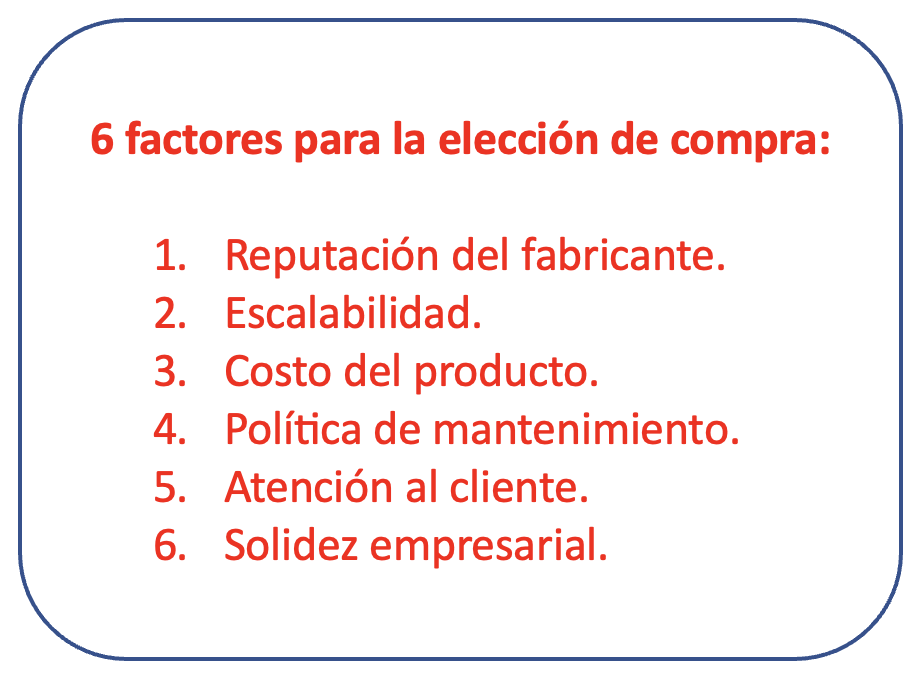
These are the ones that separate a serious proposal from an optimistic quote. None requires technical knowledge to evaluate.
- How is knowledge continuity ensured if someone on the team changes? Consultant turnover mid-implementation is the silent cause of most projects that stall.
- How is the schedule tracked, and what happens if a date moves?
- Is documentation included or billed separately? Without documentation, the company stays tied to the provider that implemented, even after the contract has ended.
- Which part of the tax localization is standard configuration and which part is development? The cost changes, and so does who maintains it afterward.
- How many projects like mine have you closed in Mexico, and can I speak with one of those clients?
- What happens on day 91? Many contracts cover the implementation and a short warranty. Month three falls right after.
- Who trains my team, when, and what materials do we keep?
- If the problem turns out to be with the product and not the implementation, can you escalate it with Oracle?
When NetSuite is not the answer
It is worth saying because it saves meetings. NetSuite is Oracle's cloud ERP for companies that grew faster than their system but don't need the complexity of an enterprise suite. If the operation is a single entity, with no inventory and no complex tax obligations, there are narrower options that solve it just as well.
And at the other extreme: if the organization has highly branched processes, several business units and consolidation needs, the conversation is about Oracle Fusion Cloud ERP, not NetSuite.
A consultancy that doesn't tell you which of the three cases is yours before quoting is selling you what it has in its catalog.
Where to start
With the assessment. It is the starting point we suggest, because it defines the scope before you commit an investment; it is delivered and it is yours, even if you decide not to continue. Tell us which system you have today, how many companies or countries you manage and what you can't do today.
How we can help
Facing something similar?
Tell us which system you run and what it can't do for you today. The first conversation is about understanding your situation.
Request an assessment


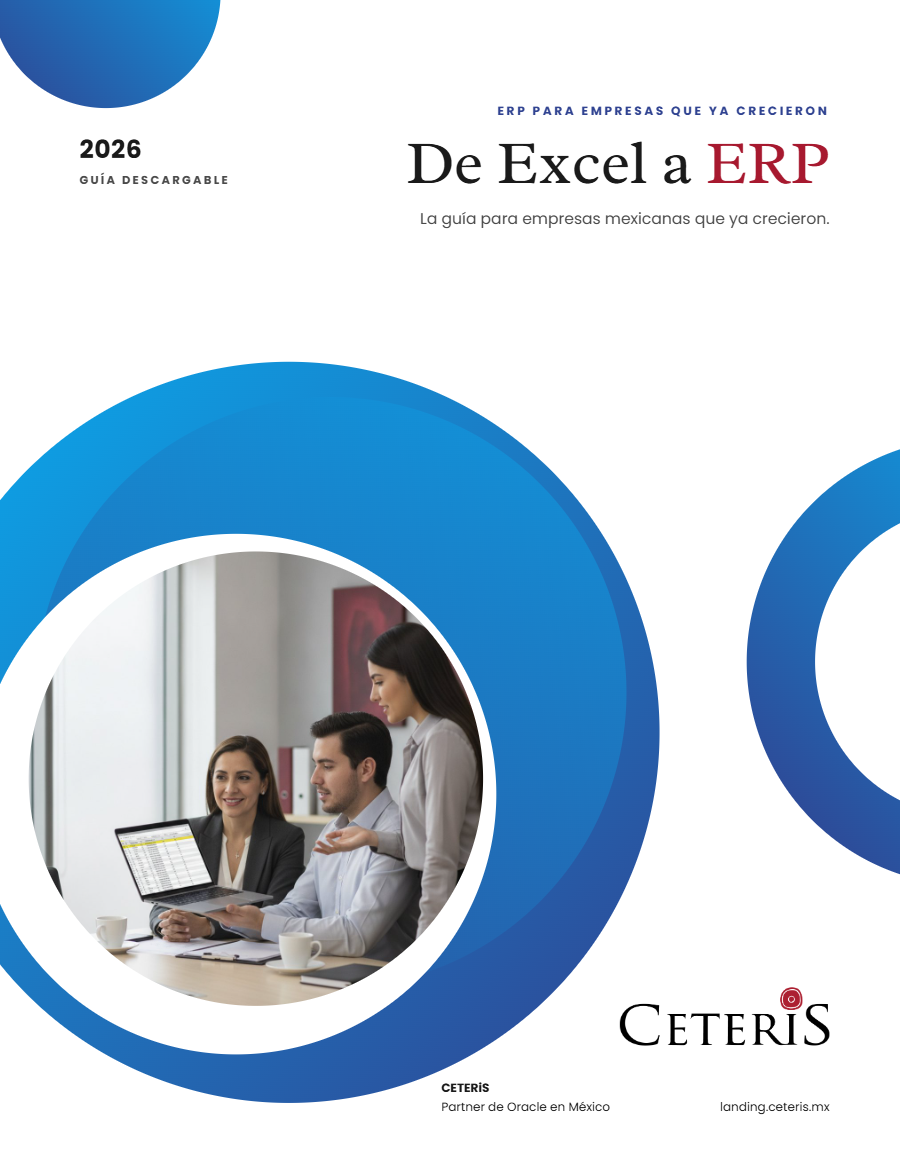
Free guide · 24 pages · In Spanish
From Excel to ERP: how to tell if it's time
What we'd tell you in a first assessment meeting, in writing: how to know whether you need an ERP, what it costs in estimated ranges and how to migrate without disrupting operations. Currently available in Spanish; English edition coming soon.
- The 7 signs you've outgrown spreadsheets
- What an ERP costs and what drives the price
- The 5 most expensive mistakes
- A checklist to decide whether it's time