NetSuite and Choosing an ERP
What is an ERP assessment, and why do it before you implement
What an ERP assessment is, what it delivers, how long it takes, and why implementing on a broken process reproduces the problem in a costlier tool.
· 5 min read
Most of the companies that contact us arrive with a decision already made: they want to implement an ERP and are looking for a quote. The conversation that follows almost always steps back. Before quoting, we need to understand what hurts, and that work is called an assessment.
This article explains what an ERP assessment is, what it delivers, how long it takes, and why it pays to do one before signing an implementation.
What an ERP assessment is
It is a structured review of how the company operates today and what role the system plays in that operation. We interview the teams living the problem, review the configuration of the current system, and trace each piece of data from the moment it is captured until it appears in a report.
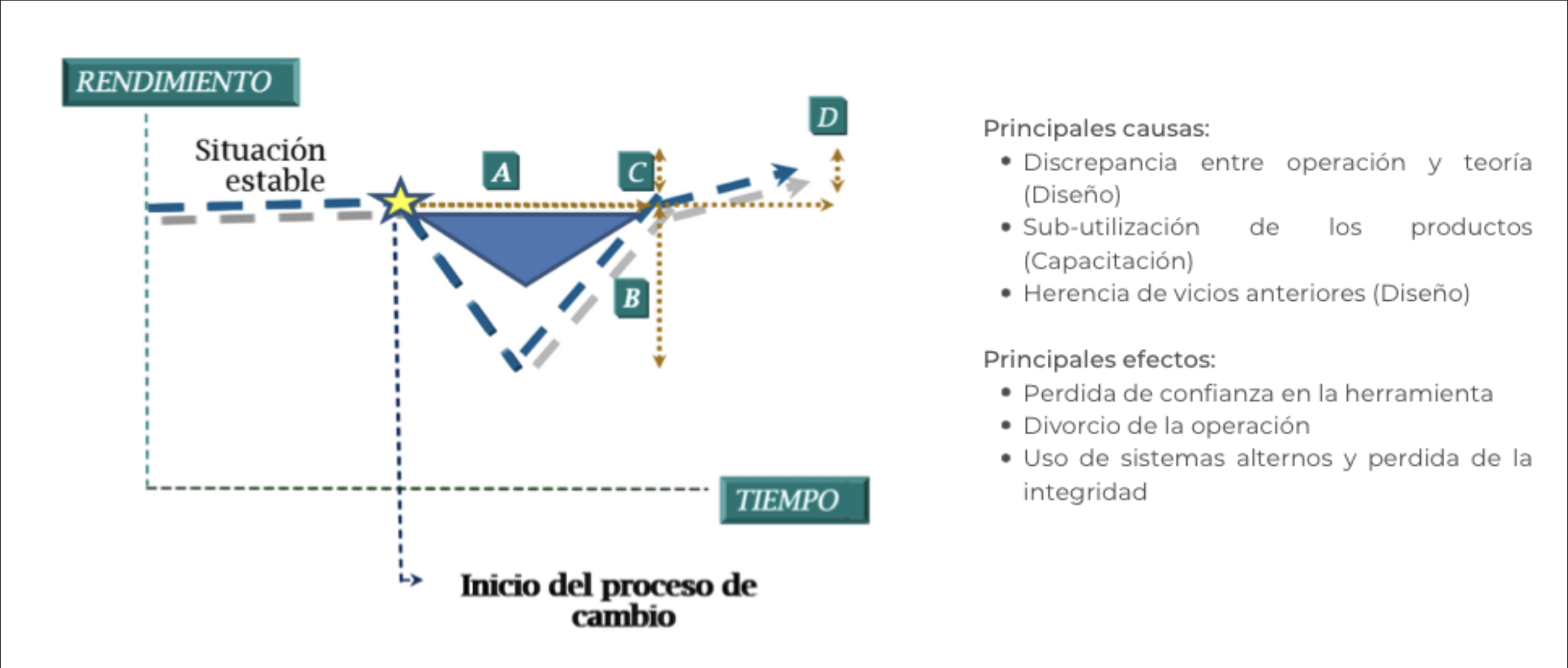
The result describes where the process breaks, where work is duplicated, and what is assembled by hand because the system no longer keeps up. With that foundation you can talk about products. Without it, any quote is a guess with a logo on it.
The assessment is product-independent. It can end in a recommendation for NetSuite, for Oracle Fusion Cloud ERP, for fixing the ERP you already have, or for changing nothing for now.
At CETERiS, it is carried out by consultants with knowledge of both business processes and the ERP, who review the accounting and operational processes to get to the cause of each problem.
What an assessment delivers
An assessment delivers three things, and all three are put in writing so they remain useful after the meeting.

- What is causing today's pain. If the close takes three weeks, the assessment says whether it is due to the process, the data or the system, and in what proportion.
- Whether the product under consideration is the answer or not. Sometimes it is. Sometimes the answer is smaller than what had been under discussion.
- What the project scope would be: modules, entities, countries, integrations and data migration. That is what turns a quote into something comparable.
The document is yours, and it works for requesting proposals from several implementation partners against the same scope, or for deciding with data that the time has not yet come.
How long it takes
It depends on the size of the operation: how many entities and countries, how many teams are involved, how many systems coexist, and how scattered the data is. An assessment is measured in weeks, and the specific range is agreed once we know your case.
What is constant is the proportion: compared with an implementation measured in quarters, the assessment is a small fraction of the total time and cost. And it is the part that most influences whether the rest goes well.
It also takes time from your team. Interviews with finance, operations and IT are the raw material. An assessment done only from the outside describes the system and misses the operation.
If a vendor hands you an assessment in a couple of days without having spoken to your finance and operations people, what you received is a sales proposal with a different name on the cover.
Why implementing on a broken process gets expensive
A new ERP does exactly what it is configured to do. If purchasing today has three approvals nobody can explain, the new system will have three approvals nobody can explain. With a better interface and an annual bill on top.
The problem shows up on three different fronts that are easily confused in everyday conversation.
Process
Steps that exist out of history rather than necessity, business rules that live in one person's head, and approvals settled by text message. No system fixes that on its own, and configuring it as is makes it permanent.
Data
Duplicate customer records, product codes with three versions, historical balances nobody dares reconcile. Migrating them as they are means paying to move the mess to a more expensive place.
System
Here the ERP does come in as a possible cause: sometimes the current system can no longer handle the volume, multi-entity consolidation or the tax requirement. And sometimes it can, and what is missing is configuration or support.
Cenmex is the case we use most to explain this. It came to us considering scrapping its Oracle ERP entirely. We started with QA support on the supply chain and, with what we found, reimplementing was no longer necessary. The company ended up renewing its licenses and remediating the flow across all its plants.
What happens after the assessment
After the assessment there are three possible outcomes, and all three are valid if the document supports them.
- Implement, with a defined scope and a plan that already knows the risks. This is the path Marcas Extraordinarias followed with NetSuite.
- Rescue the ERP you already have, because the assessment showed the system is enough and the problem was elsewhere. This is what happened at Cenmex and Grupo Avándaro.
- Wait, because the company has other priorities and the current system can hold up a while longer with support.
In all three cases you leave with the scope in writing and a list of risks you already know, and that completely changes the conversation with any implementation partner, ourselves included.
A consultancy that arrives with the third outcome ruled out in advance is selling you what it has in its catalog. A serious assessment keeps it open until the end.
How to request one
Tell us what system you have today, how many entities or countries you run, and what you can't do today. With that we scope the assessment and tell you how long it takes in your case. It is the starting point we suggest, because it defines the scope before you commit to an investment.
How we can help
Facing something similar?
Tell us which system you run and what it can't do for you today. The first conversation is about understanding your situation.
Request an assessment
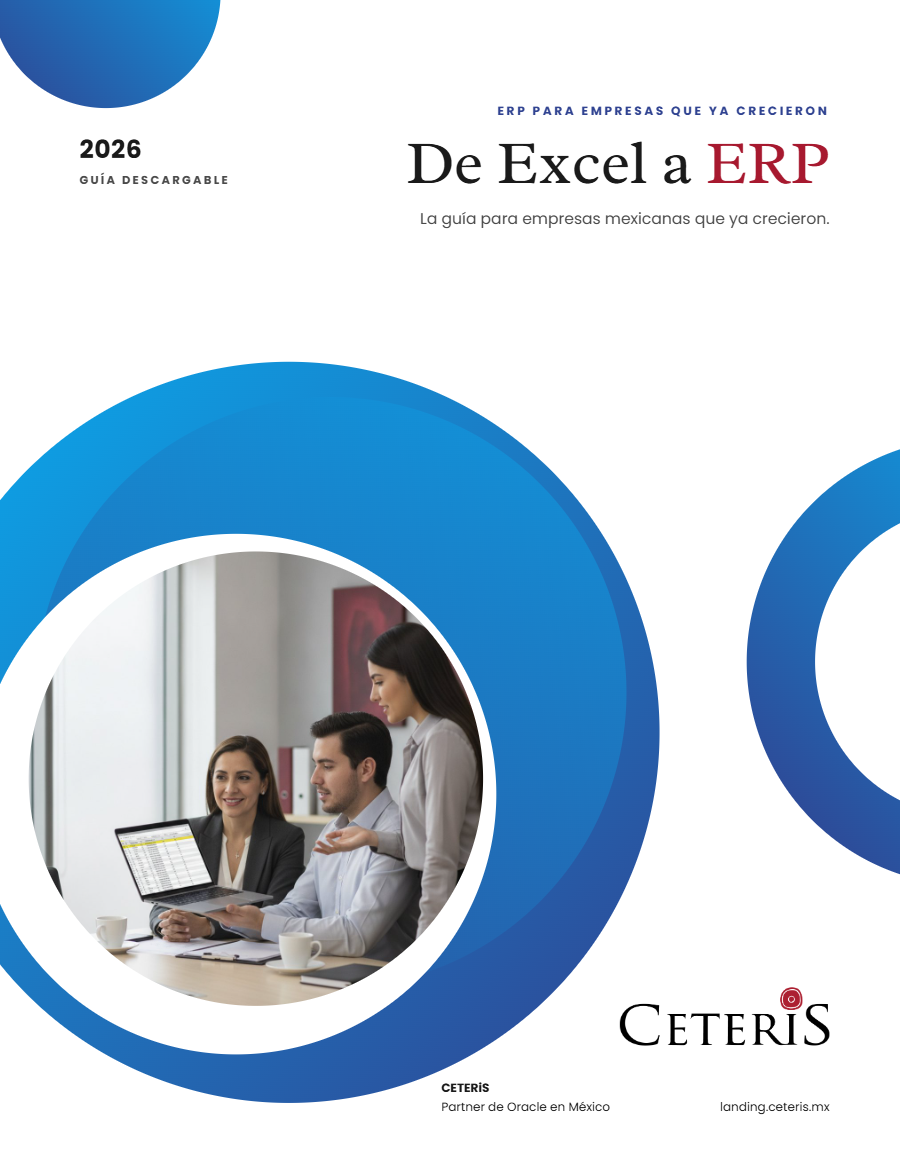
Free guide · 24 pages · In Spanish
From Excel to ERP: how to tell if it's time
What we'd tell you in a first assessment meeting, in writing: how to know whether you need an ERP, what it costs in estimated ranges and how to migrate without disrupting operations. Currently available in Spanish; English edition coming soon.
- The 7 signs you've outgrown spreadsheets
- What an ERP costs and what drives the price
- The 5 most expensive mistakes
- A checklist to decide whether it's time